RV Leveling Solenoid Repair - Mobile RV Repair Palm Bay
RV Repair Palm Bay replaces failed solenoid valves in HWH, Power Gear, and Lippert leveling manifolds that cause jacks to extend or retract on their own, refuse to move in one direction, or bleed down overnight. We test each solenoid coil for proper resistance and valve seating under pressure before replacing parts. Solenoid repairs are typically completed on-site in 1-2 hours.
RV Repair Palm Bay replaces failed solenoid valves in HWH, Power Gear, and Lippert leveling manifolds that cause jacks to extend or retract on their own, refuse to move in one direction, or bleed down overnight. We test each solenoid coil for proper resistance and valve seating under pressure before replacing parts. Solenoid repairs are typically completed on-site in 1-2 hours.
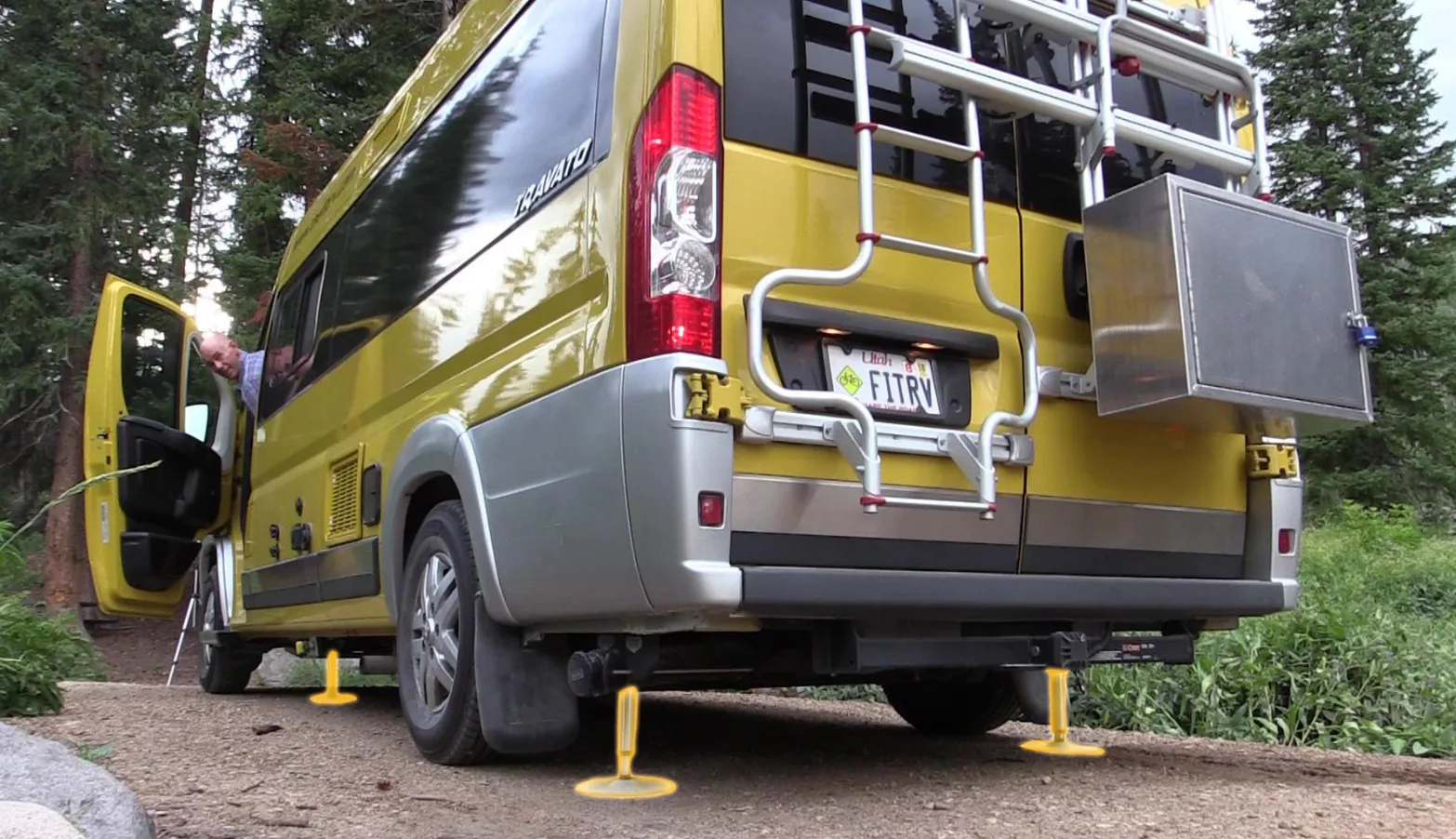
Palm Bay: RV leveling repairs in Palm Bay account for two factors campground diagnosis ignores: residential driveway grade variation and sustained summer heat on hydraulic seals. Palm Bay residential driveways vary from nearly flat to a noticeable slope, and the same auto-level system that leveled the rig perfectly last fall may need different jack extensions on the same driveway after re-parking at a slightly different angle. Hydraulic jack cylinder seals also degrade from Palm Bay's sustained summer heat faster than in campgrounds with shade canopy - seals that last 15 years in moderate climates can begin seeping at 8 to 10 years in Palm Bay's outdoor storage environment.
Eastern Palm Bay rigs near Bayside Lakes and the Indian River Lagoon waterfront see additional jack cylinder rod pitting from salt air that accelerates seal wear further. We come to your Palm Bay driveway with Lippert, HWH, and Power Gear parts for same-day service.
How Hydraulic Leveling Solenoid Valves Work
Each hydraulic leveling jack circuit is controlled by one or two solenoid valves on the manifold block - one for extension and one for retraction on bidirectional systems, or a single three-way valve on some HWH configurations. The solenoid is an electromagnetic coil that, when energized by the control module, pulls a plunger off its seat and allows fluid to flow through the valve. When the coil is de-energized, a return spring pushes the plunger back to the closed position.
The quality of the plunger-to-seat fit determines how well the valve holds pressure when closed. Over time, small particles in the hydraulic fluid score the seat surface, creating a leakage path. Even a tiny leakage past the seat allows a pressurized jack to slowly retract.
HWH manifolds use cartridge-style solenoids that thread directly into the manifold body and can be replaced individually. Lippert uses the same cartridge design. We carry the most common sizes for both platforms and swap a leaking solenoid in under an hour.
Testing Solenoid Valves Without Replacing Them
Solenoid valve diagnostics start with two tests that do not require removing any hardware. The first is an electrical test - we measure coil resistance across the solenoid terminals. A good coil reads between 8 and 18 ohms depending on the valve model.
An open reading indicates a burned coil. The second is a static pressure hold test - we pressurize the circuit, de-energize the solenoid, and watch whether system pressure holds or bleeds off over five minutes. A valve that fails the hold test is leaking past the seat and requires replacement.
A valve that passes both tests but the associated jack still does not move has either a mechanical fault in the cylinder or a restriction in the hydraulic line between the manifold and the cylinder. This approach prevents replacing a sound solenoid when the fault is a pinched line or a cylinder with a failed piston seal. We document our test sequence so you understand exactly what was tested and why replacement was warranted.
How This Repair Works On-Site in Palm Bay
- Call and describe the problem. Tell us what is happening, when it started, and what you have already checked. We ask a few questions to load the right parts before leaving the shop.
- We arrive at your Palm Bay or Brevard County location. No towing required. Your tech drives to your driveway, storage lot, or campsite - typically within 2 hours of your call.
- On-site diagnosis before recommending any work. We use the right test equipment for this repair type to find the actual root cause. We do not guess or replace parts speculatively.
- Written estimate provided at your location. You see the full cost before we start. You approve it before we touch anything.
- Same-visit repair when parts are on the van. Most common rv leveling solenoid repair repairs are completed the same visit. If a part needs to be ordered, we schedule a follow-up and confirm the quote holds.
Common Causes and Related Repairs
Most rv leveling solenoid repair issues in Palm Bay trace to one of three causes: age-related component wear accelerated by Florida's sustained UV heat and driveway storage conditions, corrosion from Indian River Lagoon salt air on eastern Palm Bay rigs, or deferred maintenance from an RV that sat in a driveway for months without being run or inspected.
When we diagnose a rv leveling solenoid repair problem, we also check the hydraulic pump or control board as part of the same visit - the two systems interact, and catching a secondary issue during the same call saves you a second service fee.
We tell you everything we find.
If a related issue needs attention but is not urgent, we note it in writing and let you decide when to address it.
Cost Factors for RV Leveling Solenoid Repair Repair in Palm Bay, FL
The main factors that affect the cost of your rv leveling solenoid repair repair in Palm Bay are: the specific RV make, model, and year (which determines part size and access difficulty); the severity of the failure (a component that failed cleanly versus one that failed and damaged adjacent parts); and parts availability for your specific system. Palm Bay driveway service adds no extra travel fee for most locations within the city.
South Brevard County and Micco Road corridor service may add a small travel supplement depending on distance. Same-day parts availability varies by component - most common rv leveling solenoid repair parts are on the van for same-day repair.
Less common components require a dealer or parts order that typically runs 1 to 3 business days. All estimates are fixed-price - the amount we quote is what you pay, with no hidden labor overruns.
Pricing note: Ranges shown are average costs for the Palm Bay, FL market based on common repair scenarios. The exact cost of your repair depends on your RV make and model, the severity of the issue, and parts availability.
Only a technician on-site can provide an accurate estimate after inspecting your RV. A written estimate is provided before any work begins - you approve it before we start.
RV Leveling Solenoid Repair FAQ
What are the signs that a leveling solenoid valve is stuck open versus stuck closed?
A solenoid stuck open allows hydraulic pressure to bleed through continuously - you will see jacks that creep down while parked or a pump that cycles on and off trying to maintain pressure. A solenoid stuck closed blocks fluid flow entirely, so the jack on that circuit will not extend or retract when commanded - RV Repair Palm Bay tests each solenoid individually with a 12V activation lead and pressure gauge to confirm which failure mode is present.
Can a leveling solenoid valve be cleaned and reused, or does it always need replacement?
Solenoid valves with debris contamination can sometimes be flushed and reseated successfully, but a solenoid with a burned coil, damaged valve seat, or swollen o-rings must be replaced. RV Repair Palm Bay inspects the coil resistance - HWH solenoids should read between 6 and 12 ohms depending on the model - and pressure-tests the seat before deciding between a clean and a replacement.
Why would my leveling jacks retract by themselves overnight after a successful auto-level?
Self-retracting jacks after a successful level almost always indicate a solenoid valve that is not sealing properly under static pressure, allowing fluid to bypass back to the reservoir. It can also be a faulty check valve in the pump circuit - RV Repair Palm Bay performs a static pressure hold test after leveling to identify exactly where the system is losing pressure before the sun goes down.
Can debris in the hydraulic fluid cause solenoid valve failure?
Yes - contamination is one of the leading causes of solenoid seat damage. Metal particles from pump wear or rust from a corroding reservoir score the plunger seat and create a permanent leakage path. If we find debris in the fluid during a solenoid replacement, we recommend a full fluid flush and filter screen cleaning to prevent the new valve from failing quickly.
Do I need to replace all solenoid valves at once or just the failed one?
We replace only the valve or valves that fail the pressure hold test. Replacing all valves preemptively adds cost without benefit if the others are seating correctly. If the system is more than twelve years old with original valves and two or more are showing marginal leakage, we may recommend replacing the full set on that visit to avoid a return call within a season.
Can rv leveling solenoid repair be repaired on-site in Palm Bay, FL?
Yes. Most rv leveling solenoid repair repairs are completed on-site at your Palm Bay driveway, storage facility, or campsite without towing.
We carry the most common parts for this repair type on the service van. If a specific part needs to be ordered, we confirm the diagnosis and quote before you commit to the repair.
How long does rv leveling solenoid repair take to repair?
Most rv leveling solenoid repair repairs take 1.5 to 2.5 hours on-site at your Palm Bay location. Complex repairs involving multiple components or restricted access can take longer. We give you a realistic time estimate when we diagnose the problem before starting any work.
What does rv leveling solenoid repair repair cost in Palm Bay, FL?
The service call is $299 to $399, covering travel to your Palm Bay location and the first hour of diagnostics. The cost of the repair depends on the specific parts needed and labor time.
We provide a written, fixed-price estimate before any work begins. You approve the price before we start.